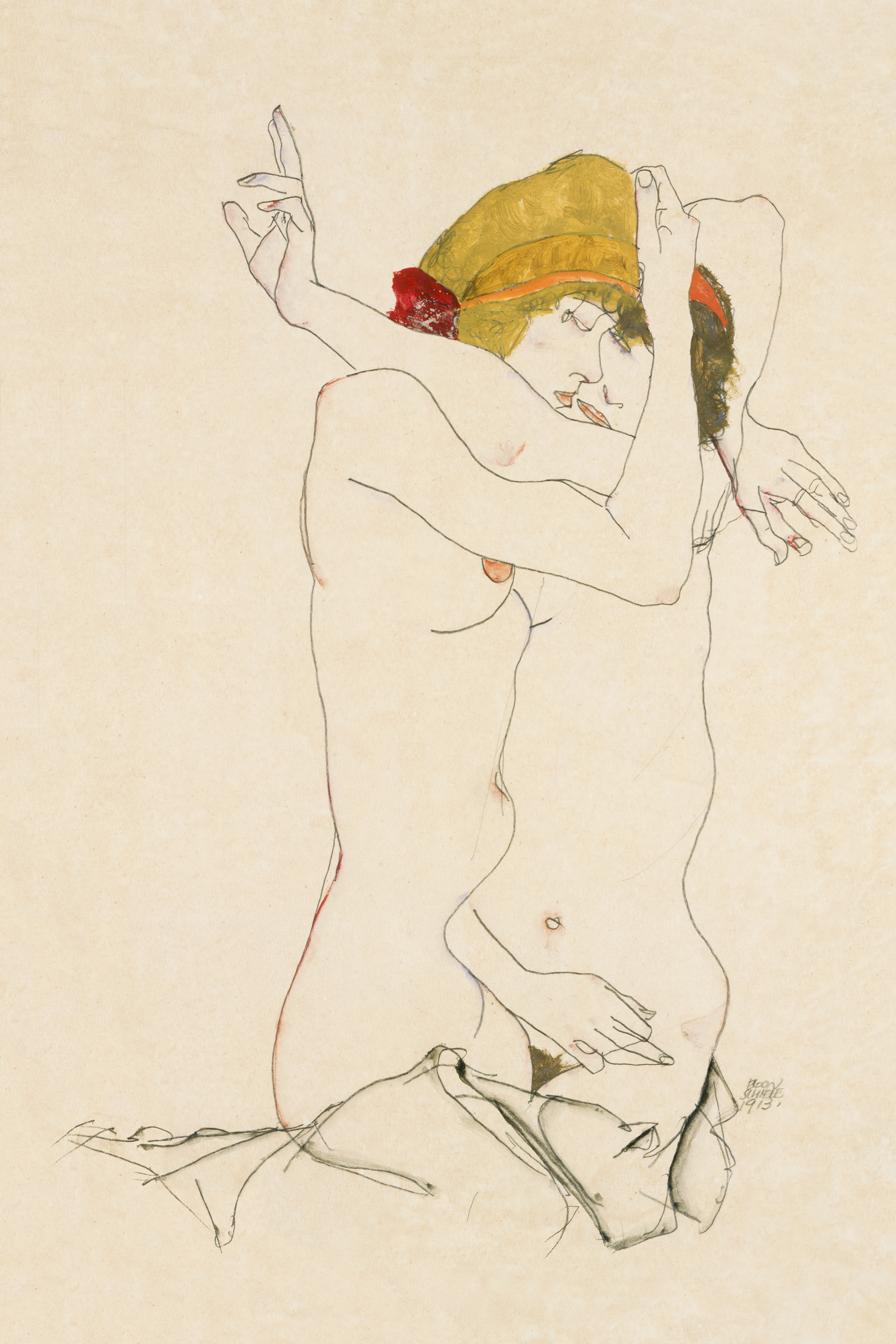
Expressionist
The body as vehicle for emotional truth. Distortion, gesture, and intensity over beauty.
Historical Context
German Expressionism (1910s-1920s) used distortion and intensity to express inner psychological states. In photography, the expressionist impulse manifests as gestural energy, grain, and the embrace of imperfection.
Defining Characteristics
- Emotional intensity over beauty
- Gestural energy
- Deliberate imperfection
- Psychological presence
- Distortion as expression
Reference Artists
- Diane Arbus
- Lisette Model
- Bill Brandt
- Andre Kertesz
Works in this style
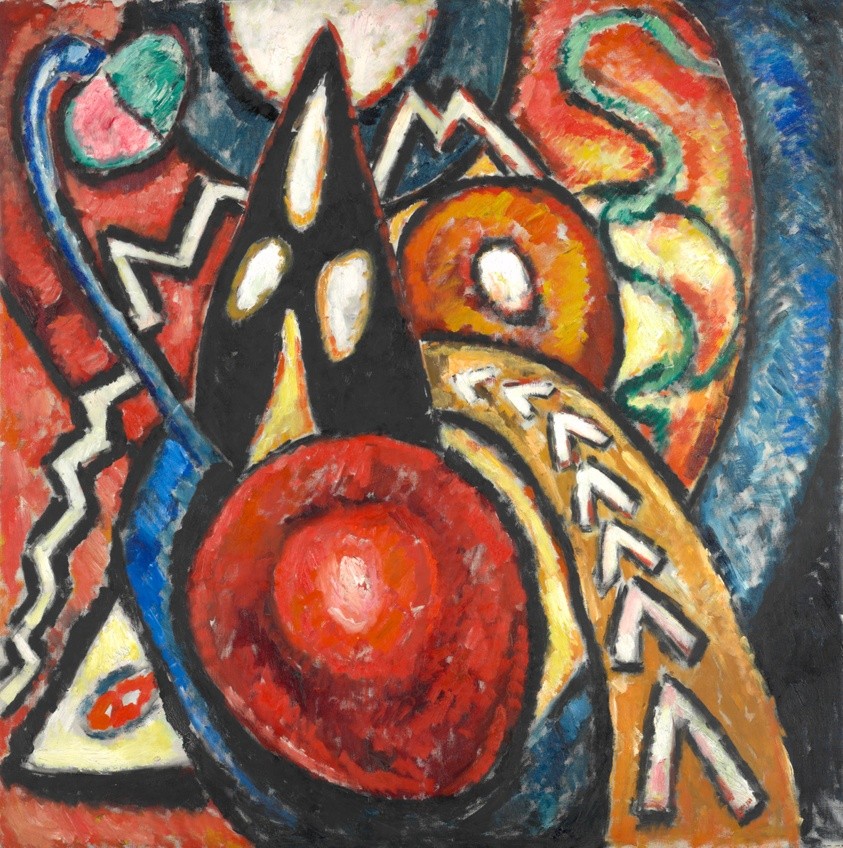
Movement in Radiant Geometry
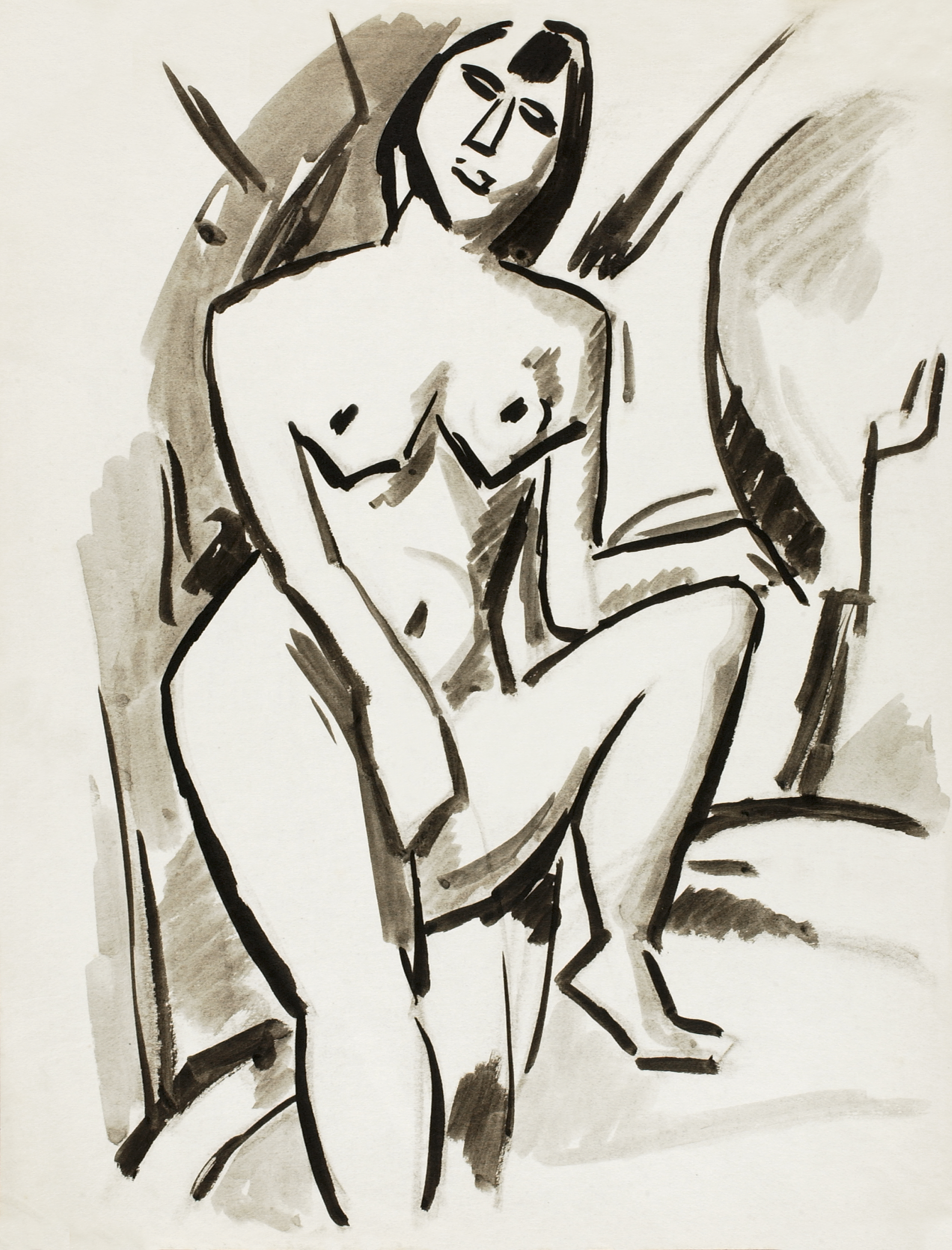
Seated Figure in Ink
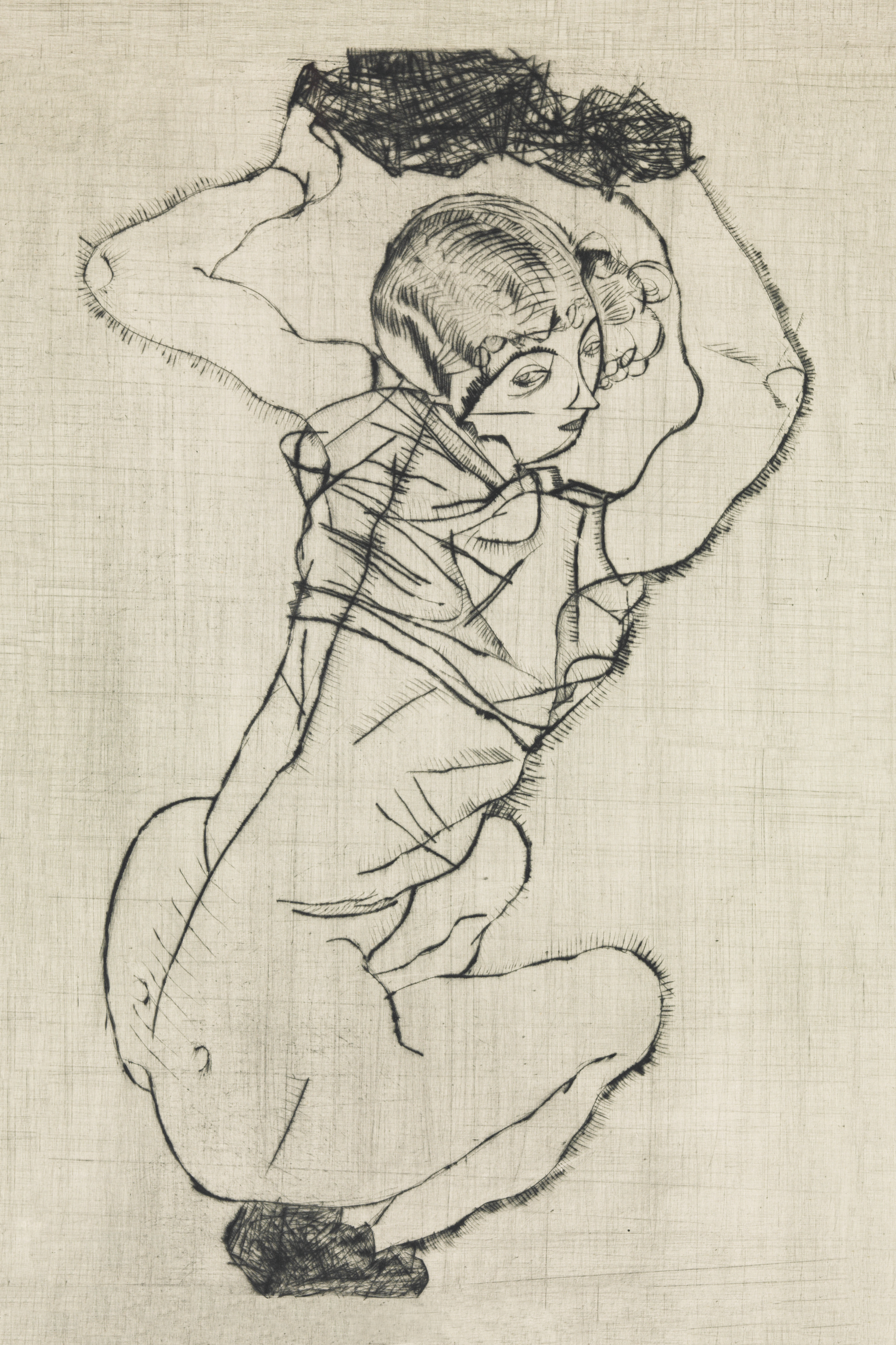
Coiled Spring
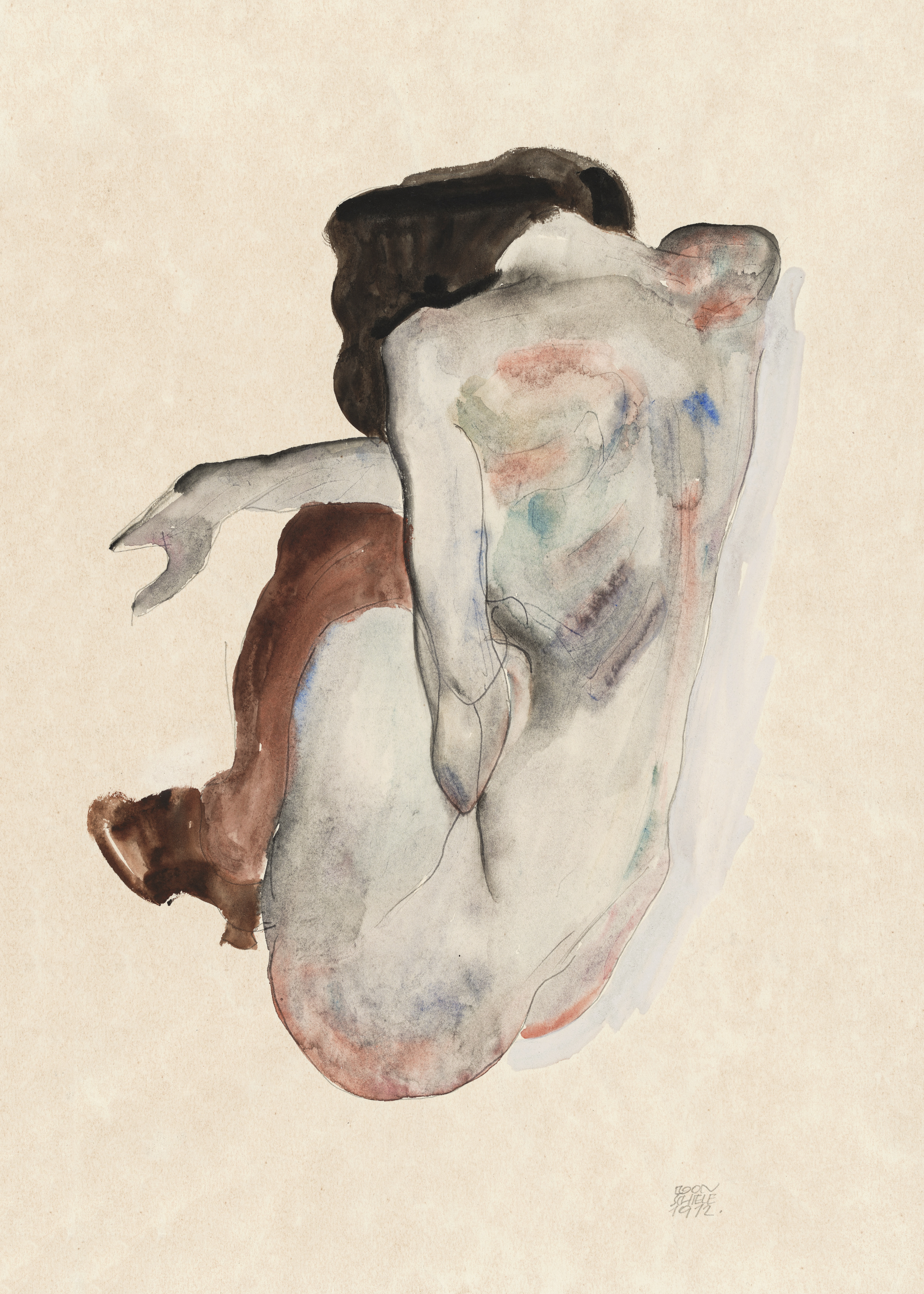
Crouching Form in Watercolor
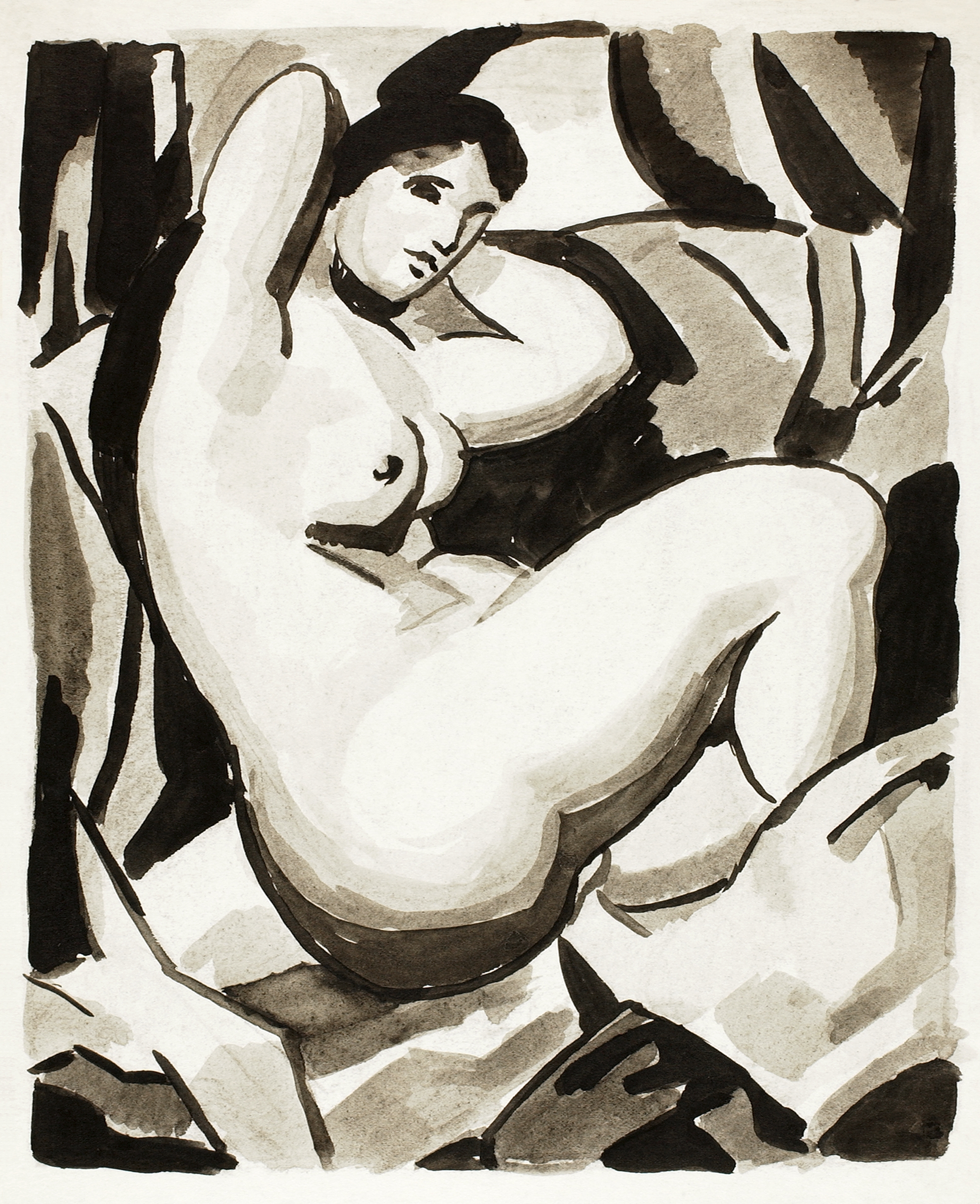
Reclining Figure in Black Wash
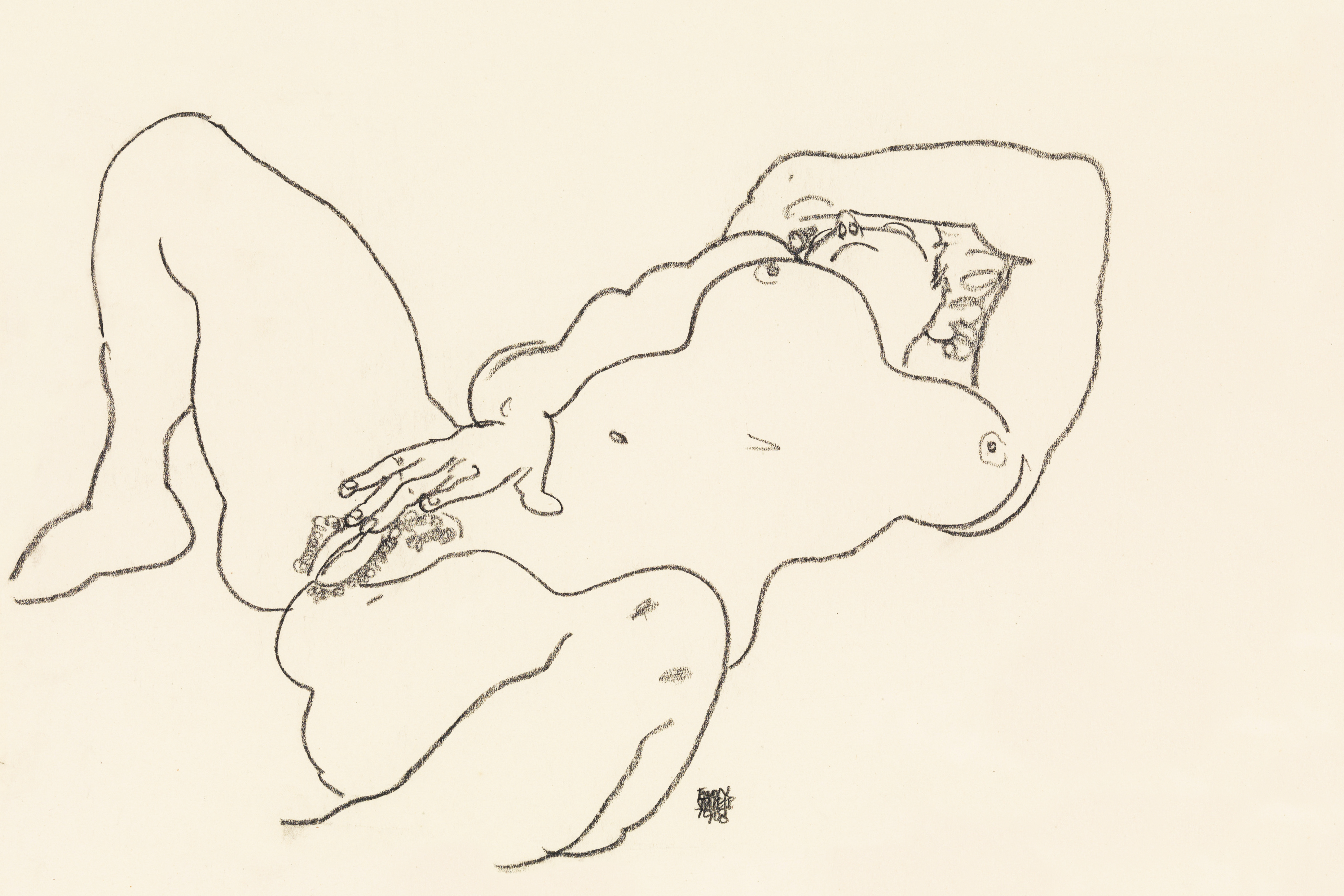
Reclining, 1918
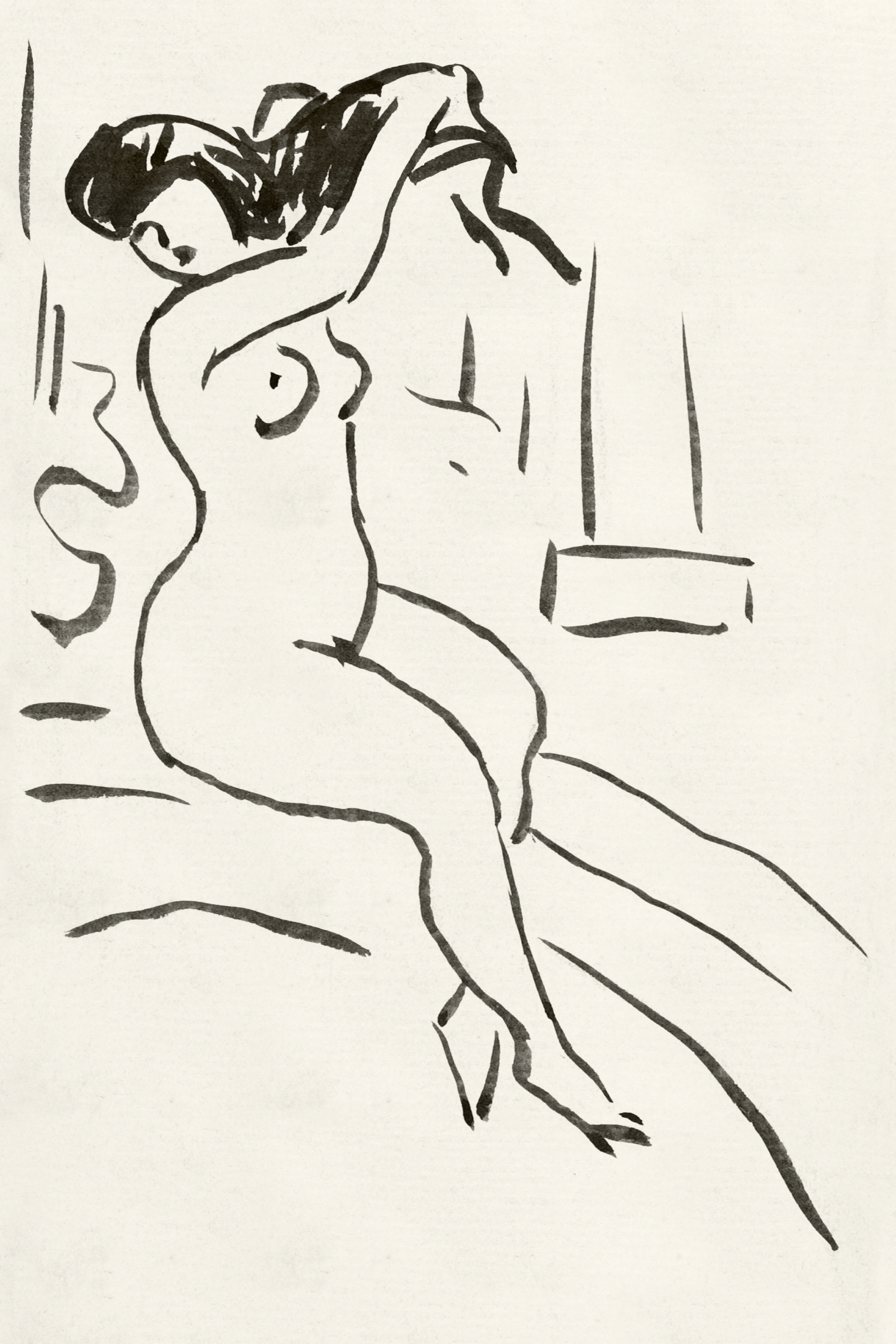
Gesture in Black Ink
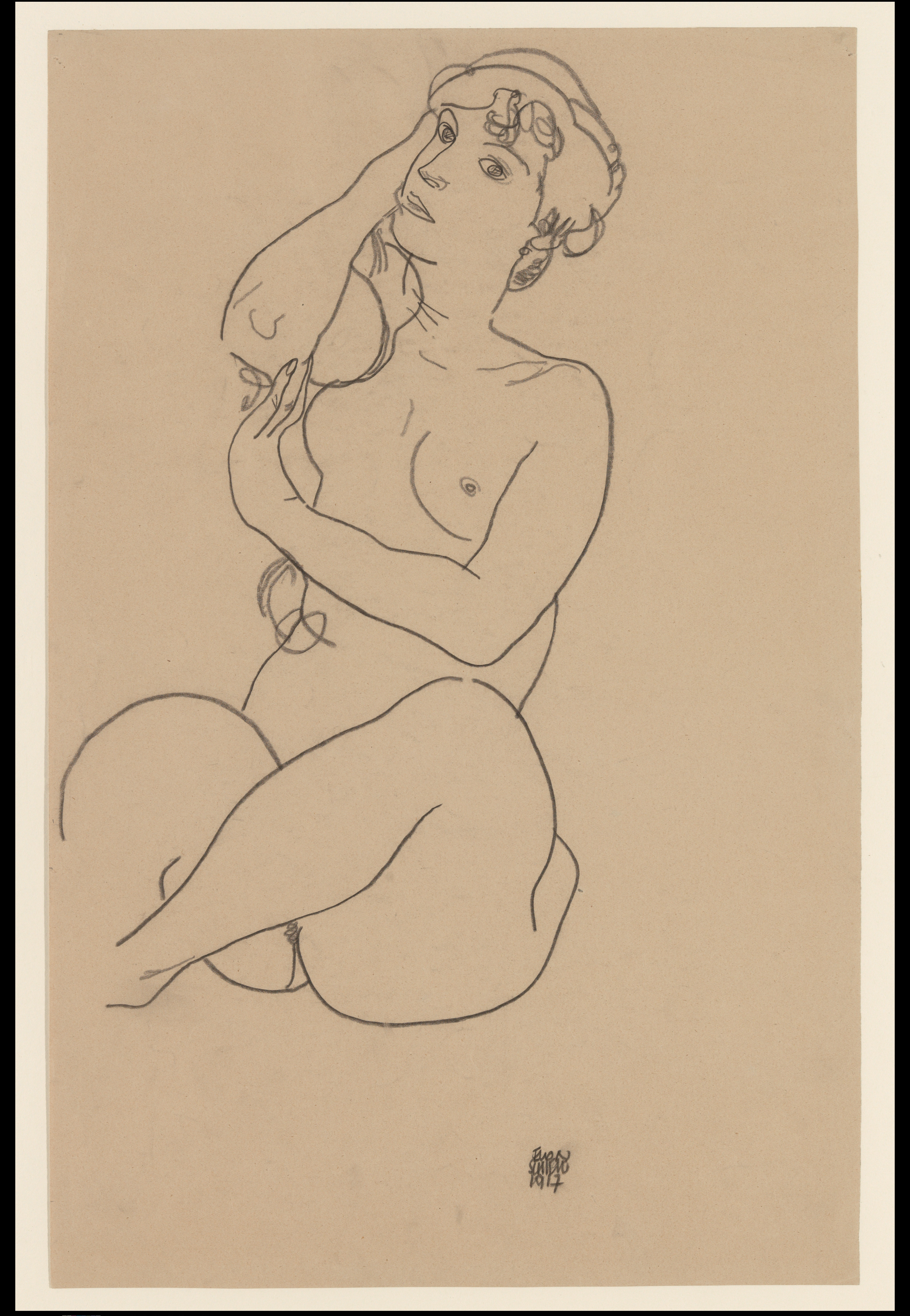
Seated Nude with Raised Arm
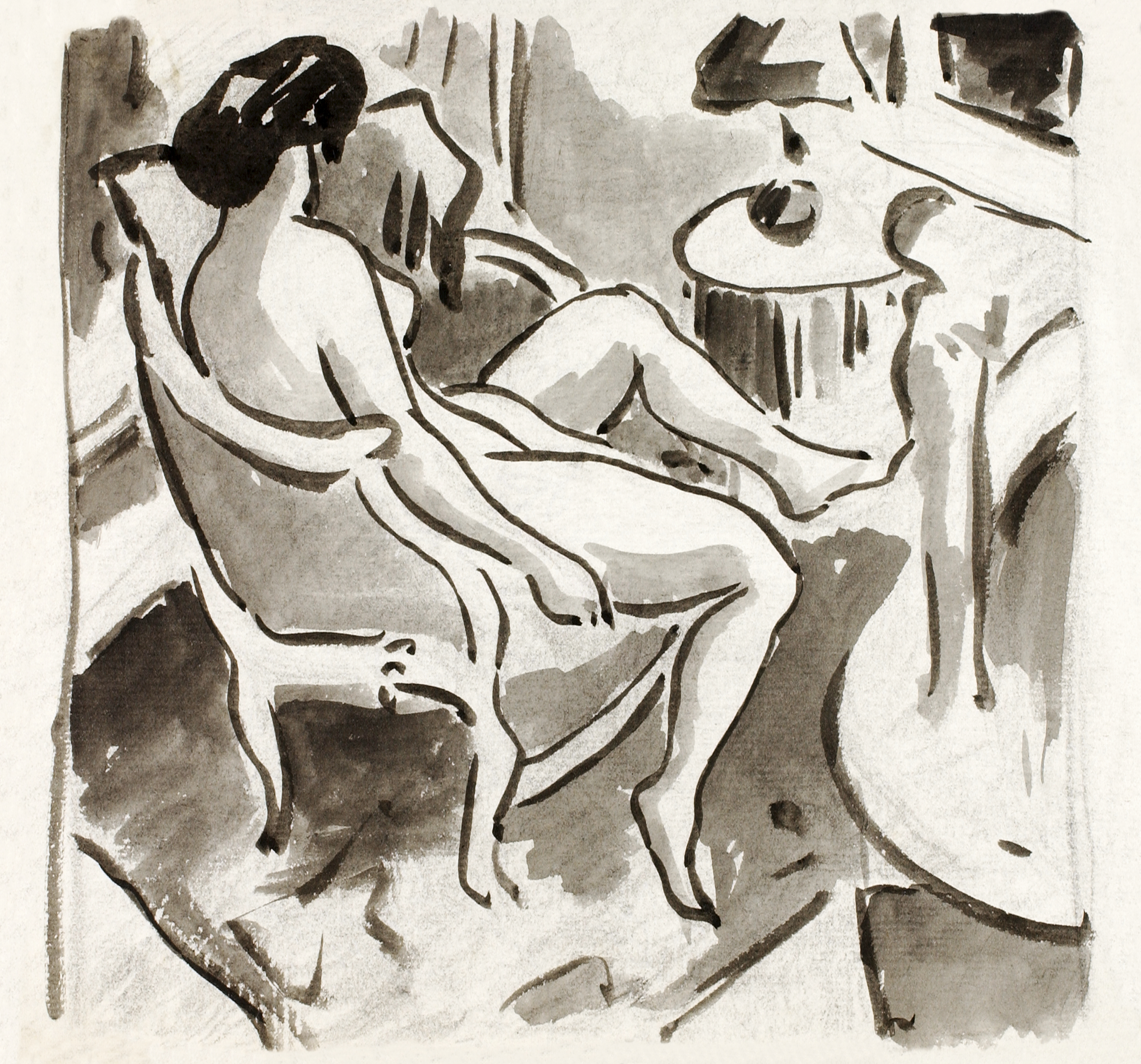
Quiet Repose in Sepia
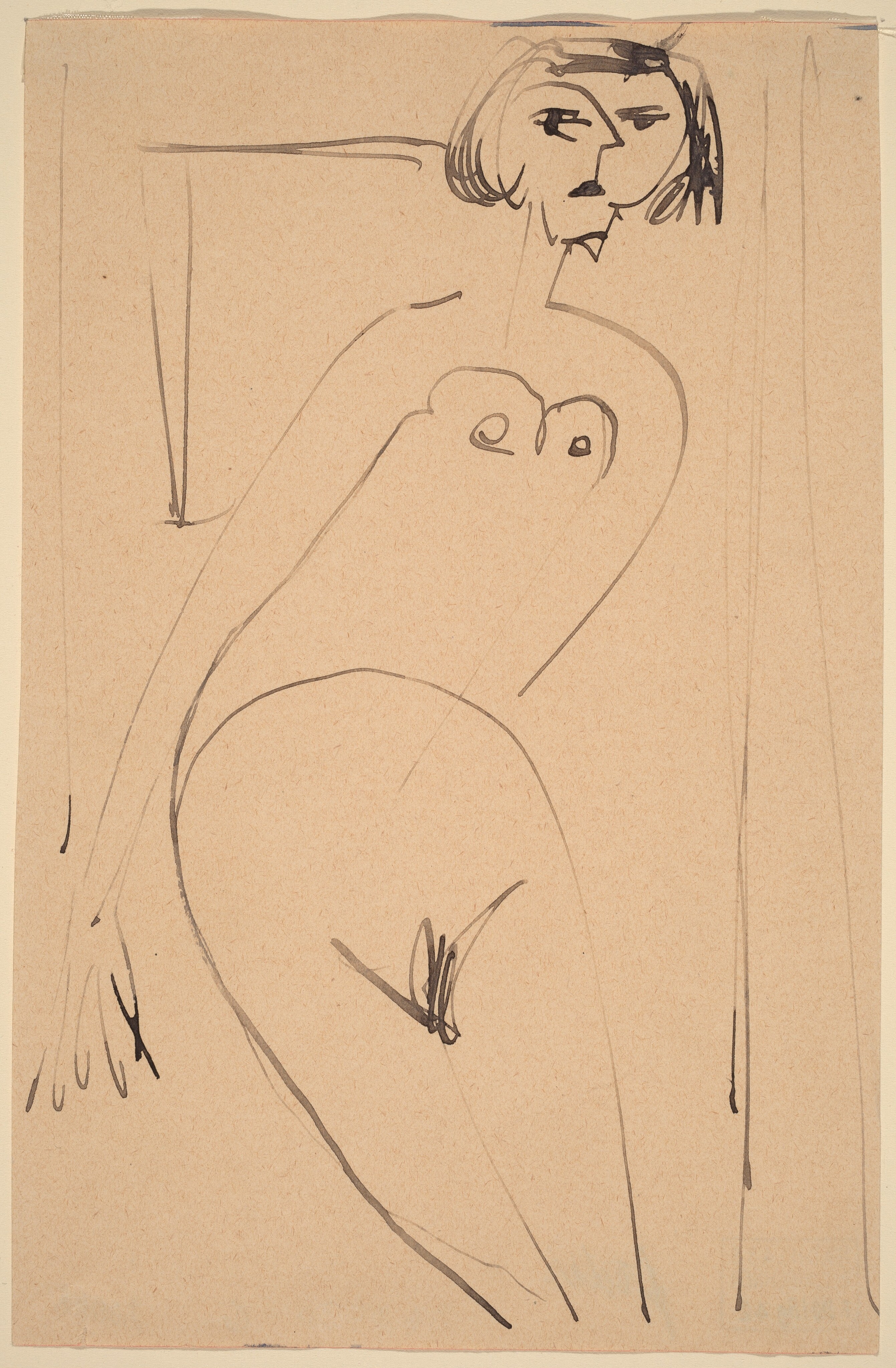
Contour in Repose
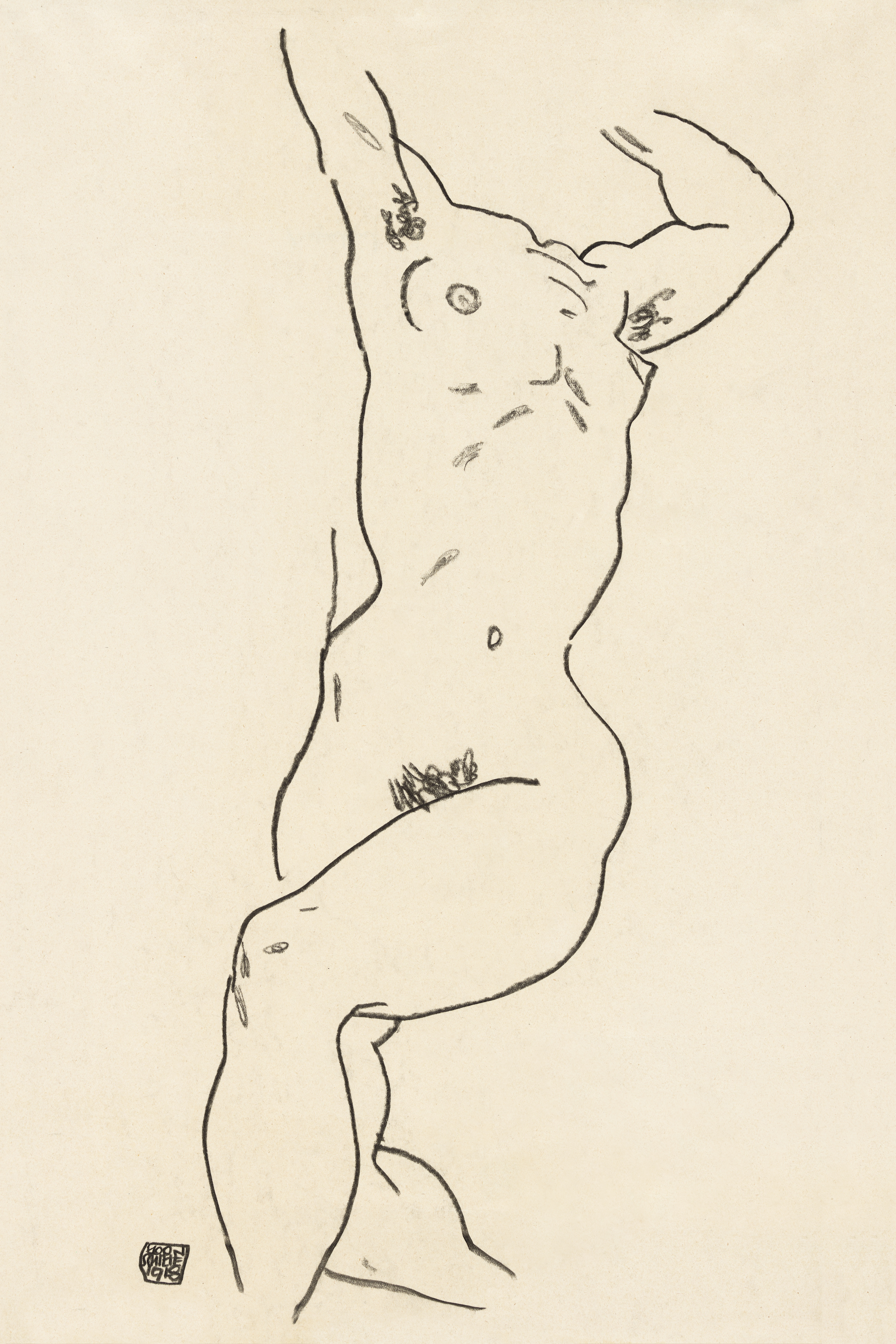
Study in Contour, 1913